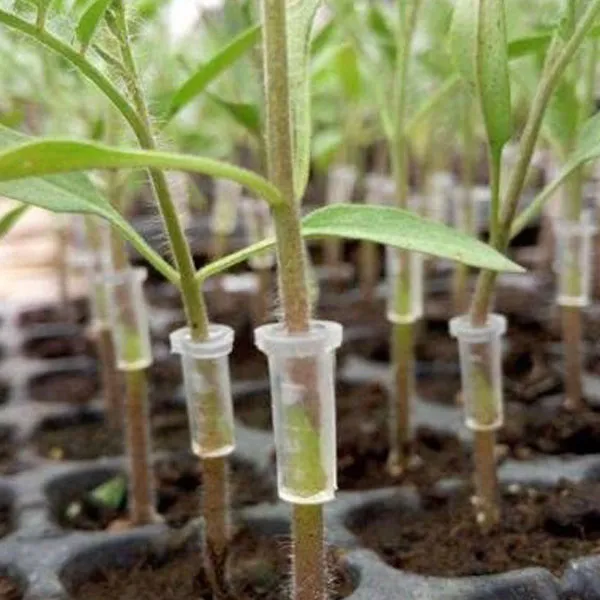
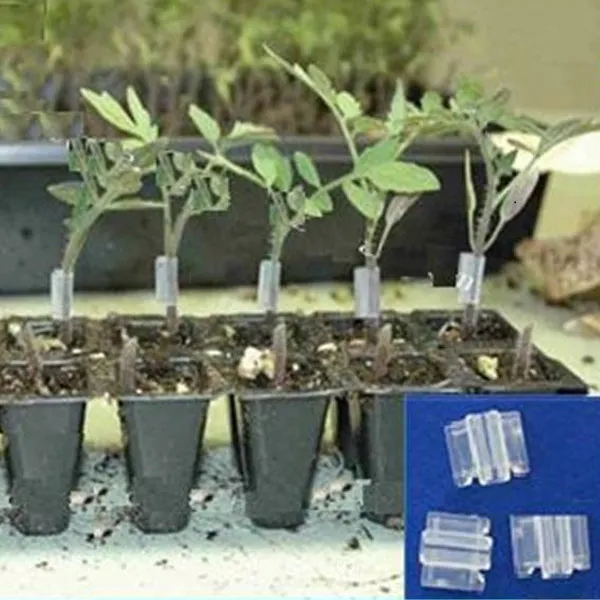
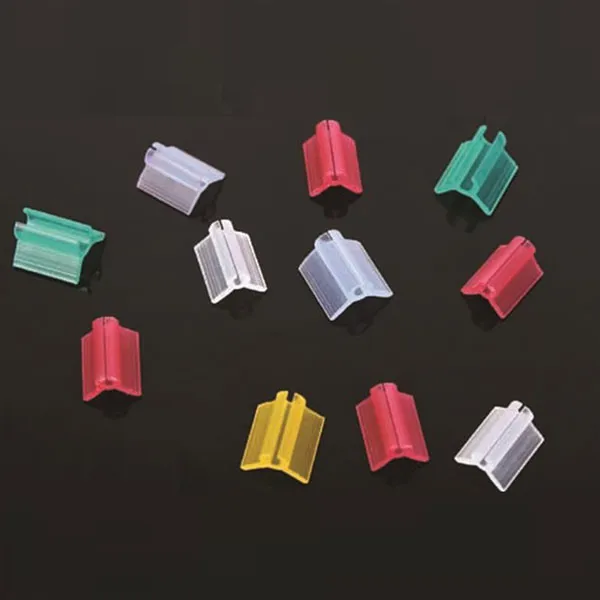
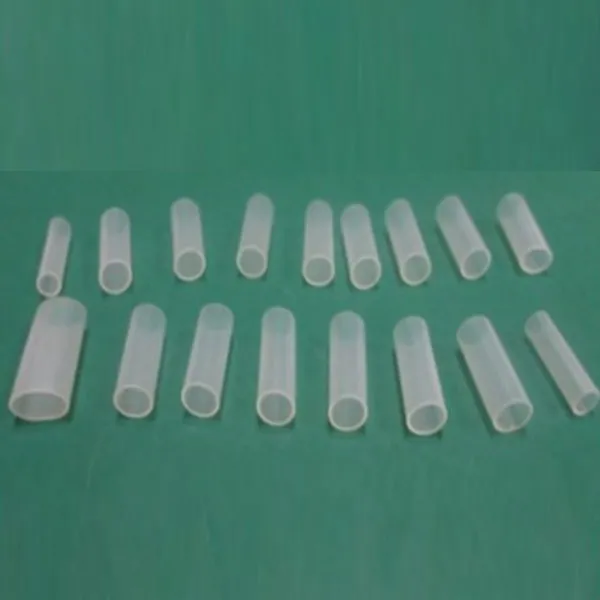
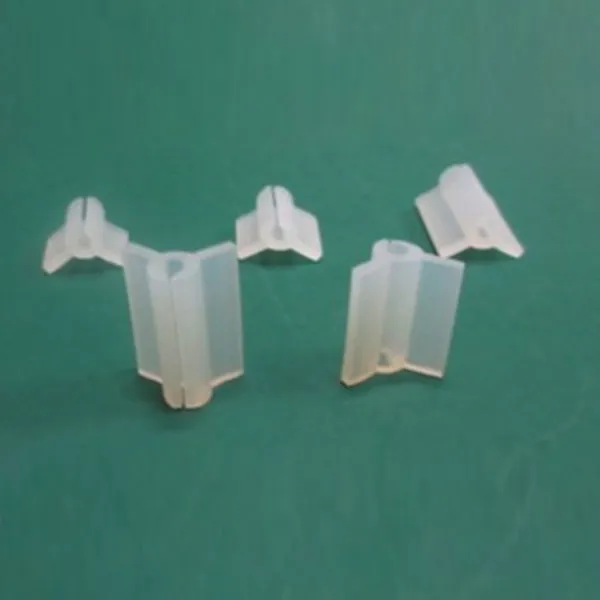
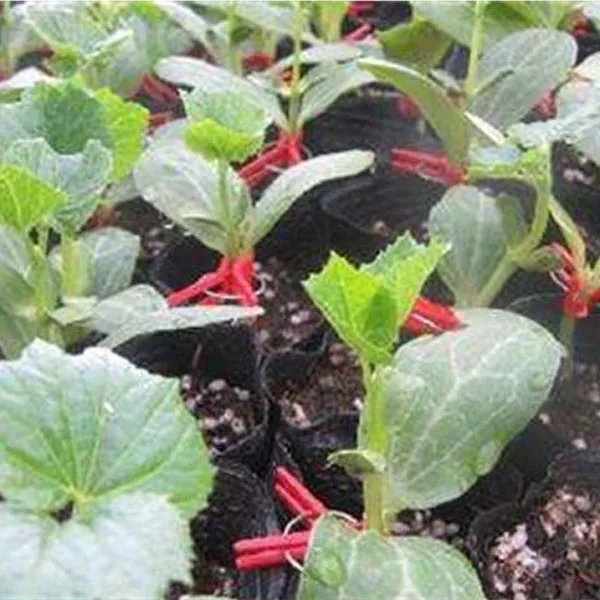
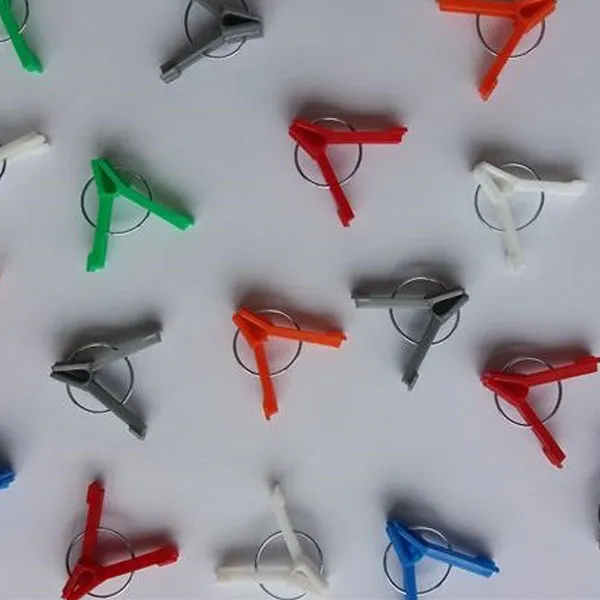
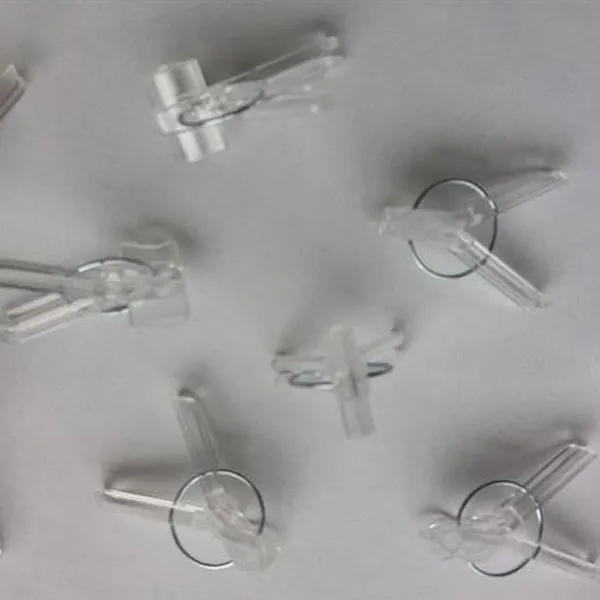
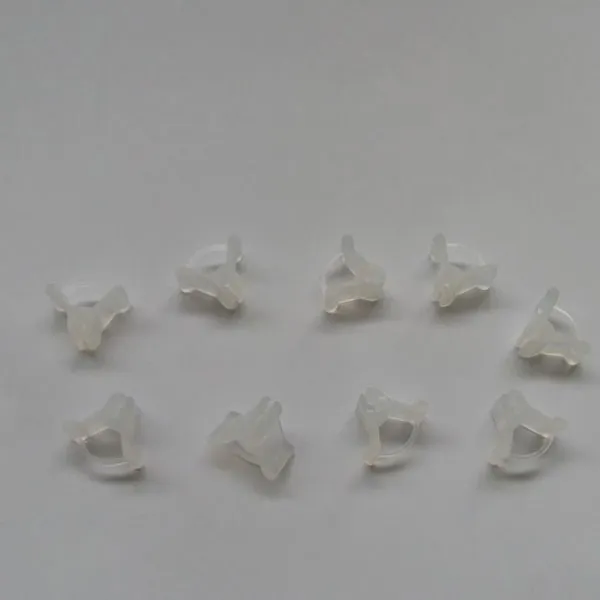
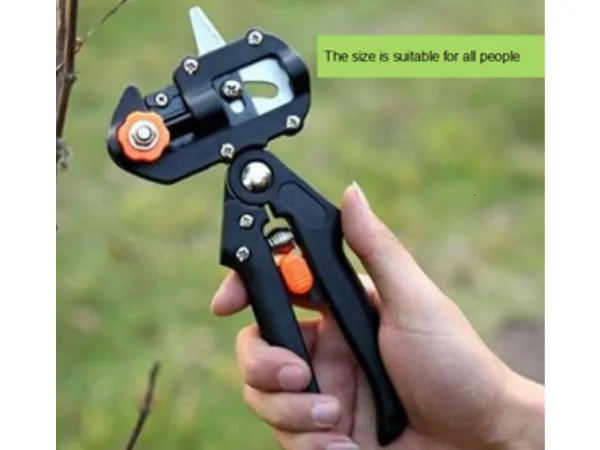
These types of grafting clips are generally made of silicone and are marketed for their 'seedling-friendly' features. Their flexibility allows them to secure grafted seedlings while avoiding mechanical damage to plant tissue. And silicone grafting clips also have an 'auto-split' function, meaning that once the grafted seedling has healed to a certain extent, the silicone sleeve can automatically break or fall off, eliminating the need for manual removal and making them more convenient to use.
Silicone grafting clips are tools used to secure graft junctions and are commonly used in the grafting process of crops such as tomatoes and watermelons.
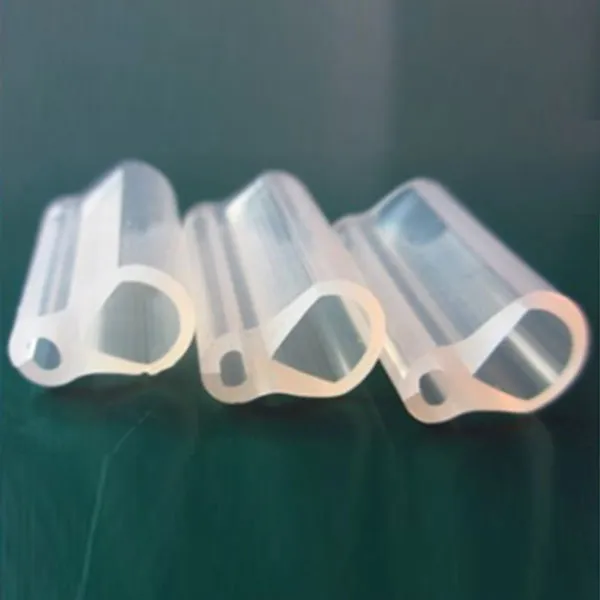
The grafting clips in silicone is eco-friendly, with food grade, it has no smell, transparent, soft, flexible, no crack, and very good to against low and high temperature ( -50℃ ~ 200℃ ), and long life for using.

Product | Grafting Clips |
Material and design | Grafting clips are generally made of silicone material. Also some traditional grafting clips made of plastic material. |
Types | Two types of silicone grafting clips, and more types of plastic grafting clips. |
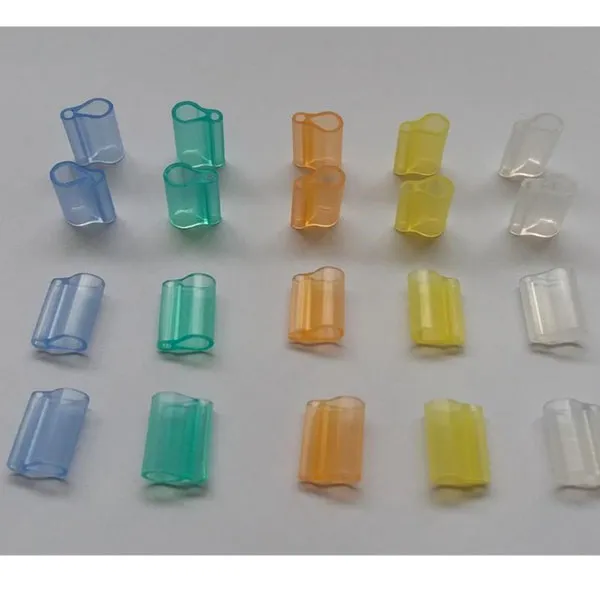
Color | transparent, white, blue, green, purple, orange, grey, and more colors available. |
Charatistics and Performance | * Silicone grafting clips are flexible, which secure grafted seedlings while avoiding mechanical damage to plant tissue. * And silicone grafting clips also have an 'auto-split' function, meaning that once the grafted seedling has healed to a certain extent, the silicone sleeve can automatically break or fall off, eliminating the need for manual removal and making them more convenient to use. * The grafting clips in silicone is eco-friendly, with food grade, it has no smell, transparent, soft, flexible, no crack, and very good to against low and high temperature ( -50℃ ~ 200℃ ), and long life for using. * Plastic grafting clips are more economic and easy to operate. |
Application | Grafting clips are used for seedling grafting, Silicone grafting clips are tools used to secure graft junctions and are commonly used in the grafting process of crops such as tomatoes and watermelons. |
Usage Steps of grafting seedlings:
1. Preparation Before Grafting
• Both rootstock and scion need to be pre-cultivated. The rootstock is usually sown 7-10 days earlier than the scion.
• At the time of grafting, the rootstock stem should be at least 2 mm thick, and the scion should retain 3 leaves and 1 growing point.
2. Cutting Treatment
• Rootstock: Cut horizontally or diagonally 1.5-2 cm above the cotyledons to form the graft interface.
• Scion: Cut into a wedge shape (about 0.8-1.2 cm long) with a smooth cutting surface.
3. Securing the Interface
• Insert the scion into the rootstock cut, making sure the cuts align properly.
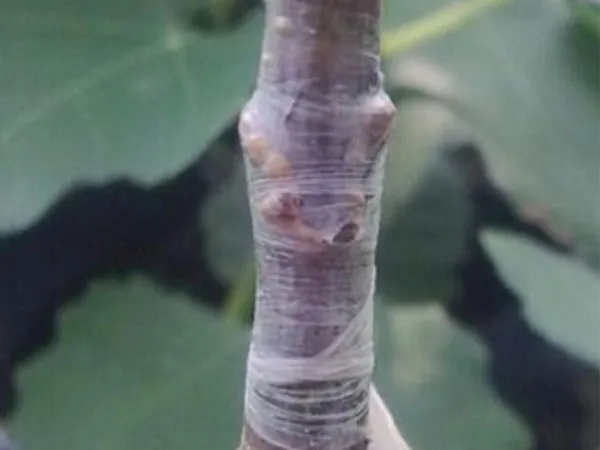
• Use a silicone clip to clamp the interface from the side to prevent it from loosening.
Post-Grafting Management
• After grafting, keep shading and maintain moisture. Maintain humidity around 95% and temperature between 20-25°C in the small hoop house.
• Gradually ventilate after 3-5 days and remove the shade net after 10 days.
Precautions
• Silicone clips need to be disinfected to prevent infection.
• Clip tightly with moderate force; too tight may damage the seedlings.
* Regularly check the graft union after grafting and promptly handle any diseased seedlings.
China Jy Resource Co., Ltd.
Phone
Address
The 1st floor of building no.1032, 999 Wangqiao Road, Pudong, Shanghai, China