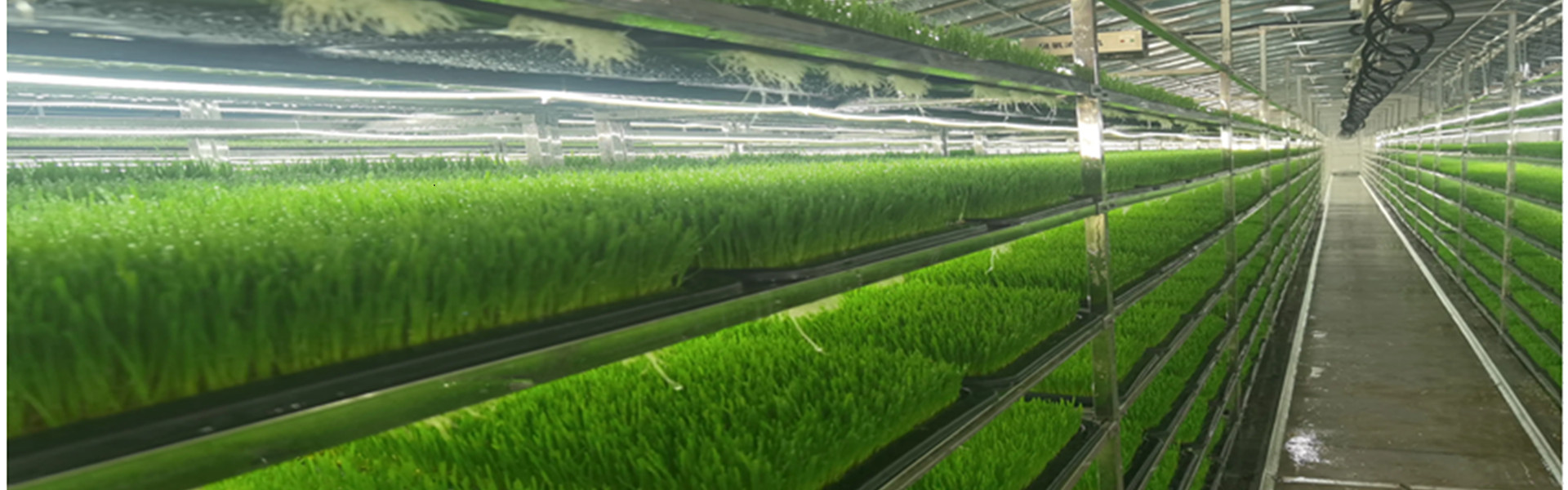
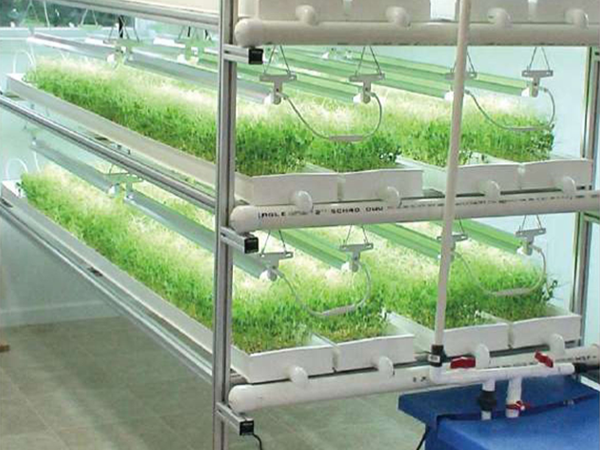
JY supplies hydroponic fodder systems for livestock farms, agricultural projects and commercial fodder production. Using soilless growing methods, the system creates a controlled environment for sprouting grains and producing fresh green fodder in trays without relying on conventional field cultivation.
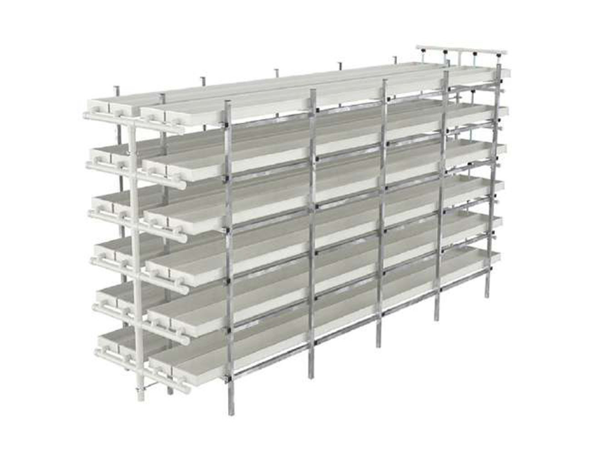
A complete hydroponic fodder growing system can include fodder trays, multi-layer racks, irrigation or spraying equipment, lighting, and temperature and humidity control according to the project configuration. JY provides different system options for farms requiring anything from individual growing trays to multi-layer installations and larger commercial production systems.
Buyers planning a wider controlled-growing project can also explore JY's range of hydroponic supplies, including hydroponic systems, growing equipment and accessories for different agricultural applications. JY's main hydroponic category currently includes fodder systems alongside NFT, DWC, Dutch bucket, ebb and flow, aeroponic and container systems.
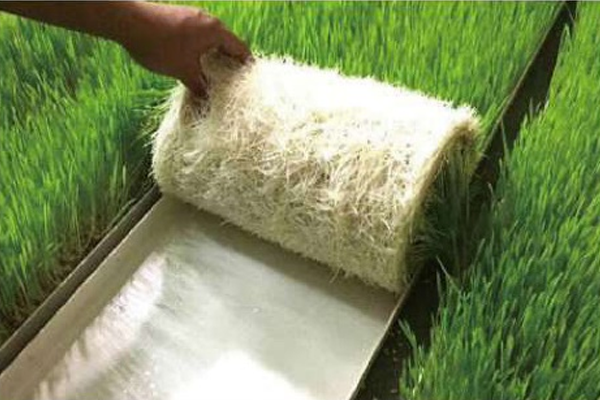
1kg seeds can produce about 7kg fodder
Seeds for producing green fodder are mainly: barley, wheat, sorghum, corn
Between 60 F and 75 F (15.6-24 degrees) with 40% to 80% relative humidity is the ideal environment for fodder production. It takes between 800ml to 1 liter of water to produce one kilogram of fodder.
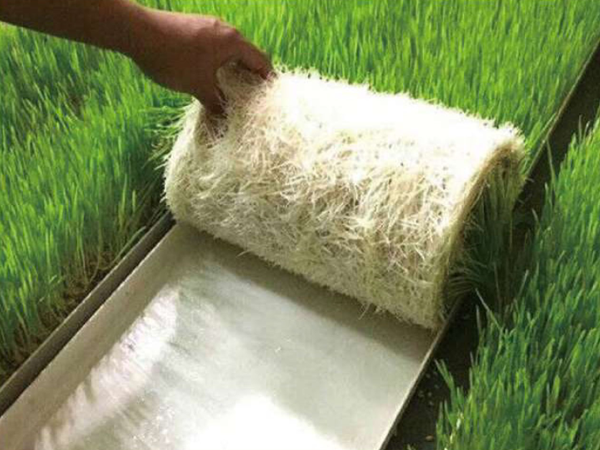
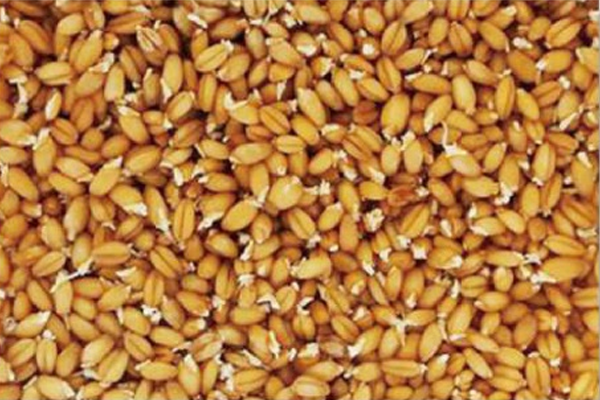
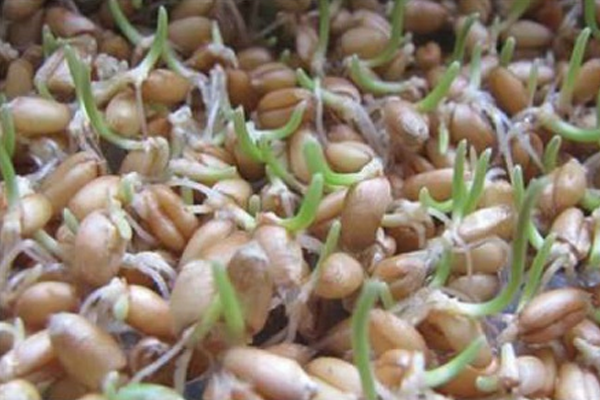
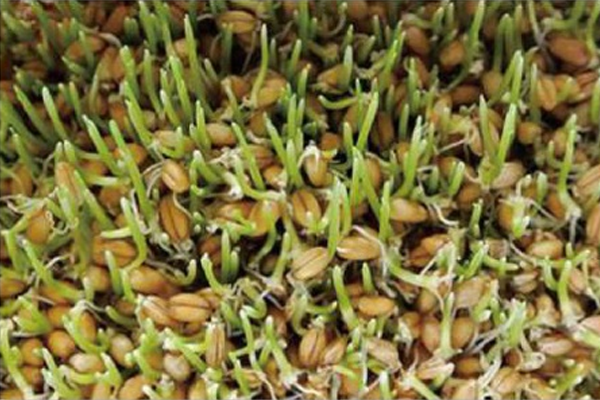
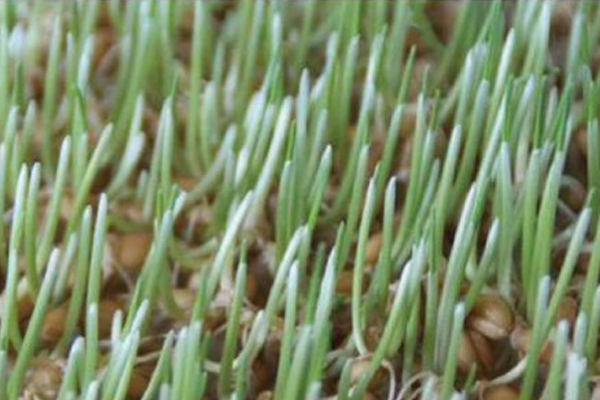
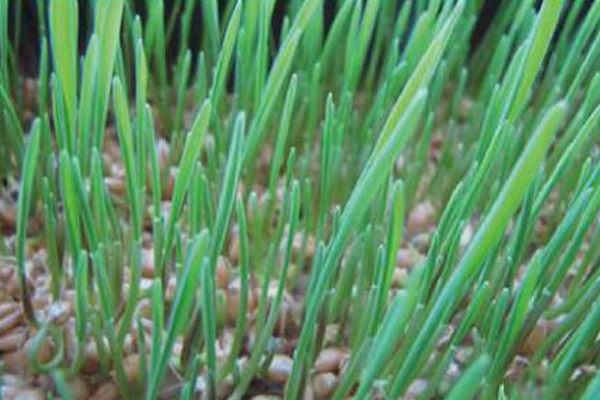
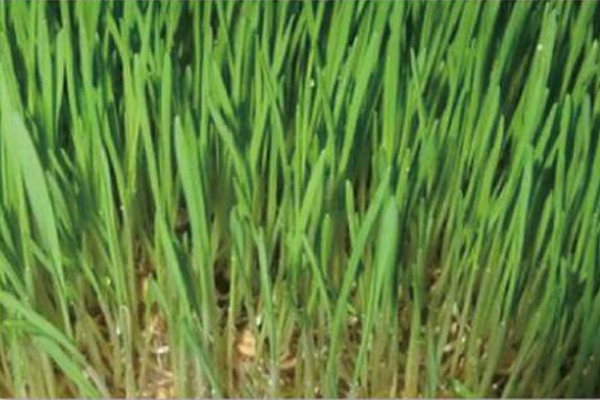
After the seeds being soaked for 24 hours, they will sprout within 8-12 hours, and grow to 20-25cm high in 7 days.
Rather than making broad nutritional claims, I recommend that this section focus on operational advantages that buyers can actually evaluate.
Hydroponic fodder is grown in trays without conventional soil cultivation, making the system suitable for controlled indoor or enclosed growing environments.
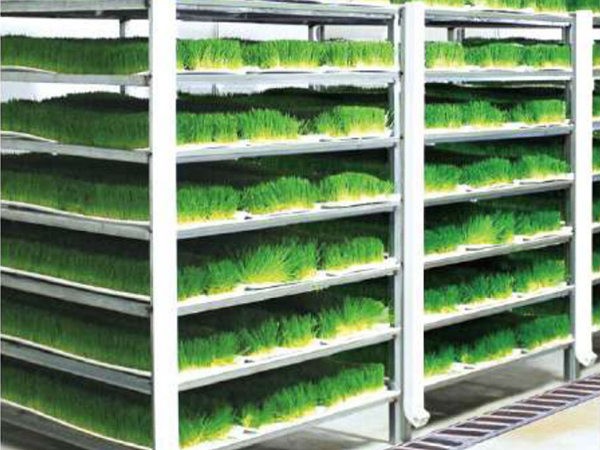
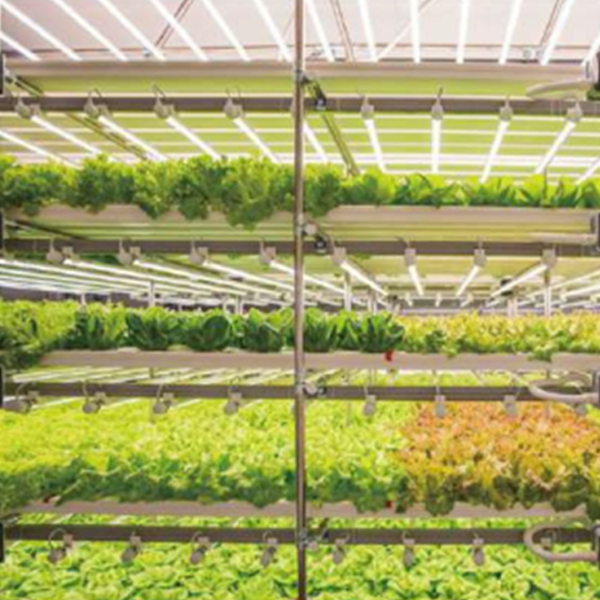
A multi-layer fodder growing system places multiple trays vertically, allowing more growing area to be arranged within the same floor footprint.
Temperature, humidity, irrigation and lighting can be managed according to the installation and production requirements.
A farm can begin with individual trays and racks or choose a more complete commercial system when higher daily production is required.
Because production does not depend directly on field soil, hydroponic fodder systems can be considered for projects where available farmland, seasonal conditions or growing space are limiting factors.
For projects that require a fully enclosed growing environment, a hydroponic container system can also be configured for fodder production. JY currently positions its container system for crops including fodder, vegetables and other controlled-environment crops.

The right system should be selected according to farm requirements rather than using the same configuration for every livestock operation.
| Project Requirement | Recommended Solution |
| Individual trays or replacement trays | Hydroponic Fodder Tray |
| Limited floor space | Multi-Layer Hydroponic Fodder System |
| Larger daily fodder production | Commercial Hydroponic Fodder System |
| Enclosed/mobile controlled growing | Hydroponic Container |
| Microgreen production rather than livestock fodder | Hydroponic Microgreen System |
When requesting a quotation, buyers should ideally provide:
Target daily fresh fodder production
Livestock type and farm scale
Grain or seed to be used
Available production room dimensions
Available water supply
Electricity conditions
Local temperature and climate
Required automation level
Destination country
This information helps determine whether a simple tray-and-rack system or a more complete commercial hydroponic fodder system is appropriate.
A hydroponic fodder production system grows sprouted grain in shallow trays using water and controlled environmental conditions instead of soil.
The basic process begins with selecting and soaking suitable grain seeds. After germination, the seeds are distributed into fodder trays and placed on growing racks. Water or mist is supplied regularly while temperature, humidity, airflow and lighting are managed according to the growing environment.
JY's current system design incorporates components such as growing trays, lighting, temperature and humidity control, monitoring and system controls. The existing product range is designed around grains such as barley, wheat, sorghum and corn.
Actual growing time and fresh fodder output depend on seed quality, grain variety, climate control, water management and operating conditions, so production targets should be confirmed according to the individual farm project.
A hydroponic fodder system is a soilless growing setup used to sprout grains in trays under controlled water and environmental conditions. Systems can range from simple tray-and-rack arrangements to automated commercial fodder production installations.
Barley, wheat, sorghum and corn are the main grains used for green fodder production.
Approximately seven days from soaked grain to harvest-ready fodder under suitable conditions. The actual growing cycle can vary according to crop variety, temperature, humidity, irrigation and seed quality.
A multi-layer hydroponic fodder system primarily uses vertically stacked trays and racks to increase growing capacity in limited space. A commercial hydroponic fodder system is designed around larger production requirements and can include more complete environmental control and automation
System configuration can be selected according to required production capacity, available installation space and project requirements. JY's existing products include customizable tray lengths, different multi-layer rack dimensions and multiple commercial production configurations.
It is useful to provide the target daily fodder production, available room dimensions, grain type, local climate, water and electricity conditions, required automation level and destination country so the system can be matched to the project.
China Jy Resource Co., Ltd.
Phone
Address
The 1st floor of building no.1032, 999 Wangqiao Road, Pudong, Shanghai, China