The main difference between NFT and DWC is how plant roots contact nutrient solution: NFT uses a thin moving film of water inside channels, while DWC suspends roots in a deeper, oxygenated nutrient reservoir. Both systems grow crops without soil, but they differ in water depth, oxygen supply, pump risk, crop suitability and daily management.
For lettuce, herbs and leafy greens, both NFT and DWC can work well. The better choice depends on your crop type, greenhouse layout, budget, maintenance ability and whether you prefer channel-based production or raft/bucket-based growing. JY provides NFT Hydroponic System Supplies, DWC Hydroponic System and complete Hydroponic Supplies for commercial growers, greenhouse projects and home cultivation.
What Are NFT and DWC in Hydroponics?
NFT and DWC are two hydroponic growing methods that deliver water and nutrients directly to plant roots without soil. In general hydroponics, growers replace soil with a controlled nutrient solution; FAO explains that plants can be grown without soil by supplying minerals through water-soluble fertilizers in a nutrient solution. FAO’s hydroponics fundamentals
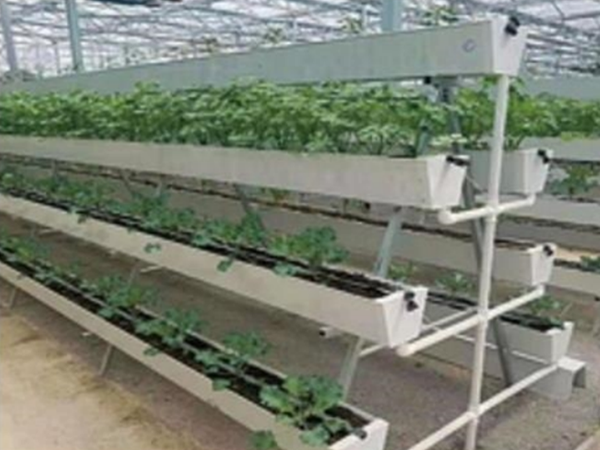
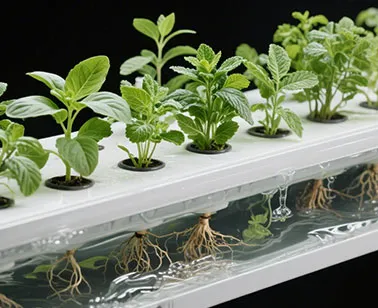
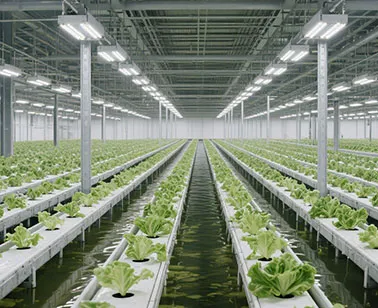
NFT stands for Nutrient Film Technique. In an NFT system, a shallow stream of nutrient solution continuously flows through grow channels, touching the lower part of the roots while the upper roots remain exposed to air. This makes NFT efficient for lettuce, basil, spinach and other lightweight crops.
DWC stands for Deep Water Culture. In a DWC system, plant roots hang into a deeper nutrient reservoir, and air pumps or aeration devices keep the water oxygenated. Virginia Tech describes DWC as a floating or raft system and notes that early raceway systems were relatively deep, around 6–8 inches, compared with other water culture methods. Virginia Tech DWC system guide
How Do NFT and DWC Work Differently?
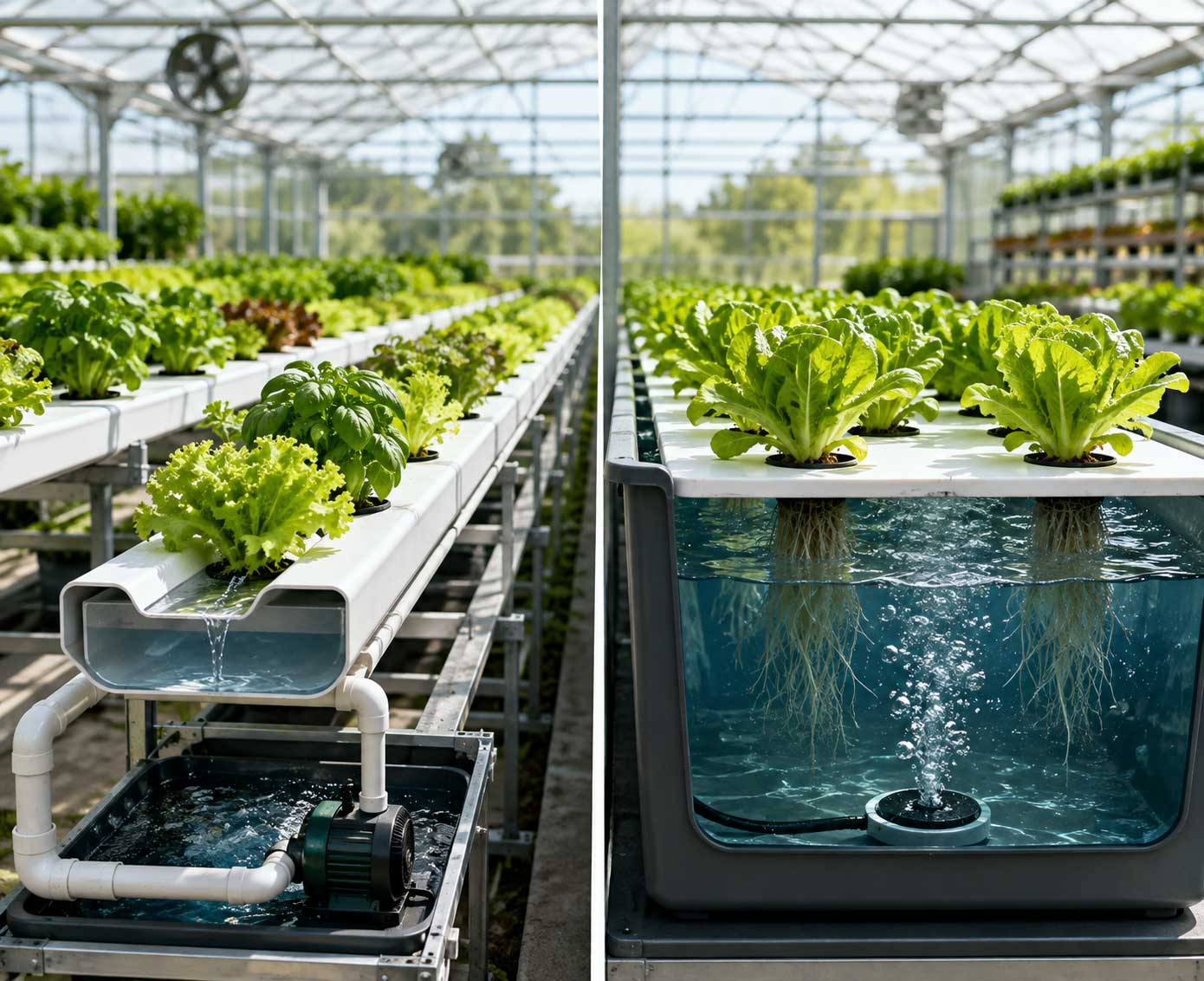
NFT works by moving a thin nutrient film through sloped channels, while DWC works by keeping roots submerged in aerated water. This difference changes how each system handles oxygen, pump failure, temperature, cleaning and plant spacing.
In NFT, roots depend on continuous flow. If the pump stops, the shallow channel can dry quickly, so backup planning matters. NFT is efficient and clean, but roots can clog channels if crops become too large.
In DWC, the deeper water volume gives roots more buffering. If nutrient strength or temperature changes slightly, the larger reservoir may respond more slowly than a narrow NFT channel. However, DWC relies heavily on dissolved oxygen, so air pumps, air stones and water temperature control are important.
Penn State notes that pH affects nutrient availability in hydroponic solutions and that soluble salt levels can be monitored by tracking EC. This applies to both NFT and DWC because both systems depend on stable nutrient solution management. Penn State hydroponic nutrition guide
NFT vs DWC Comparison Table
NFT and DWC should be compared by root environment, crop type, oxygen method, water volume, maintenance and risk control. The table below gives growers a practical selection reference.
| Comparison Item | NFT Hydroponic System | DWC Hydroponic System |
|---|
| Root Environment | Roots contact a thin flowing nutrient film | Roots sit in deeper oxygenated nutrient solution |
| Water Movement | Continuous flow through channels | Still or recirculating reservoir with aeration |
| Oxygen Source | Air exposure plus moving solution | Air pump, air stone or aeration system |
| Best Crops | Lettuce, basil, herbs, spinach, salad greens | Lettuce, leafy greens, herbs, some larger plants |
| Water Buffering | Lower because channels hold little water | Higher because reservoir volume is larger |
| Pump Failure Risk | Higher; roots may dry quickly | Lower for short interruptions if roots remain wet |
| Cleaning Focus | Channels, roots, algae and return lines | Reservoir, air stones, buckets or rafts |
| Commercial Fit | Efficient channel layout and easy harvesting | Stable root zone and simple system structure |
Which System Is Better for Lettuce and Leafy Greens?
For lettuce and leafy greens, NFT is often better when growers need neat channel layouts, efficient harvesting and scalable greenhouse benches, while DWC is often better when growers want a simpler, more buffered root environment. Neither system is “always better”; the right choice depends on growing style.
NFT is attractive for commercial lettuce because channels can be organized in rows, and plant spacing is easy to standardize. It is also convenient for clean harvesting and greenhouse layout planning. JY Grow Supply’s NFT supplies include hydroponic pipes, net pots, water pipes and accessories for leaf-vegetable projects.
DWC is attractive because the roots have constant contact with nutrient solution, and the system can be easier for beginners to understand. JY Grow Supply describes DWC as a system where roots grow down into nutrient solution or water culture, and its DWC system includes components such as buckets, net cups, nutrient pump, air hose, air stone and drainage fittings.
For lettuce nutrient management, UF/IFAS recommends monitoring pH, dissolved oxygen and EC in hydroponic production and gives useful lettuce guidance around pH 6.0–7.0 and EC 1.4–1.8 mS/cm. UF/IFAS lettuce hydroponic guidance
How to Choose Between NFT and DWC for Your Project
Choosing between NFT and DWC means matching the system to crop weight, production scale, labor, water quality, greenhouse space and maintenance ability. A grower producing compact lettuce may choose differently from a grower testing mixed herbs or larger plants.
Choose NFT if you want efficient channel-based production, clean rows, easier harvest flow and strong space utilization for leafy greens. Choose DWC if you want a simple root-zone design, more water buffering and easier beginner operation. For commercial projects, consider spare pumps, water temperature control, filtration, cleaning access, EC/pH monitoring and after-sales support before buying.
JY offers NFT, DWC, Dutch bucket, ebb and flow, aeroponics and small hydroponic systems, so buyers can compare systems based on crops instead of forcing every crop into one method. For greenhouse suppliers, distributors and growers, JY Grow Supply can support system selection, product matching and hydroponic accessory sourcing.
Conclusion
The key difference between NFT and DWC is root-zone design. NFT uses a thin moving nutrient film inside channels, making it efficient for lettuce, herbs and clean row production. DWC keeps roots in a deeper oxygenated nutrient solution, offering more water buffering and a simple growing structure.
For lightweight leafy greens, NFT is often efficient and scalable. For growers who want a more forgiving water volume and simple setup, DWC can be a practical choice. JY provides NFT hydroponic system supplies, DWC hydroponic systems and complete hydroponic supplies to help growers choose the right system for greenhouse, commercial and home-growing projects.
FAQ
1. What is the main difference between NFT and DWC?
NFT uses a thin flowing nutrient film in channels, while DWC keeps plant roots suspended in deeper oxygenated nutrient solution.
2. Is NFT better than DWC for lettuce?
NFT is often efficient for lettuce because it supports clean channel layouts and easy harvesting, but DWC can also grow lettuce well with stable aeration and water control.
3. Which system is easier for beginners?
DWC is often easier for beginners because the structure is simple: a container, nutrient solution, net cups and aeration. NFT needs more careful flow and slope control.
4. Which system has higher pump failure risk?
NFT usually has higher pump failure risk because roots can dry quickly if the nutrient film stops. DWC gives more short-term buffering because roots remain in water.
5. Can NFT and DWC use the same nutrients?
Yes, both systems can use hydroponic nutrient solutions, but growers should adjust EC, pH and oxygen management based on crop type, growth stage and system design.
6. Why choose JY Grow Supply for NFT and DWC systems?
JY Grow Supply provides NFT hydroponic system supplies, DWC hydroponic systems, hydroponic pipes, net pots, pumps, accessories and complete hydroponic supply support for commercial and home growers.

 English