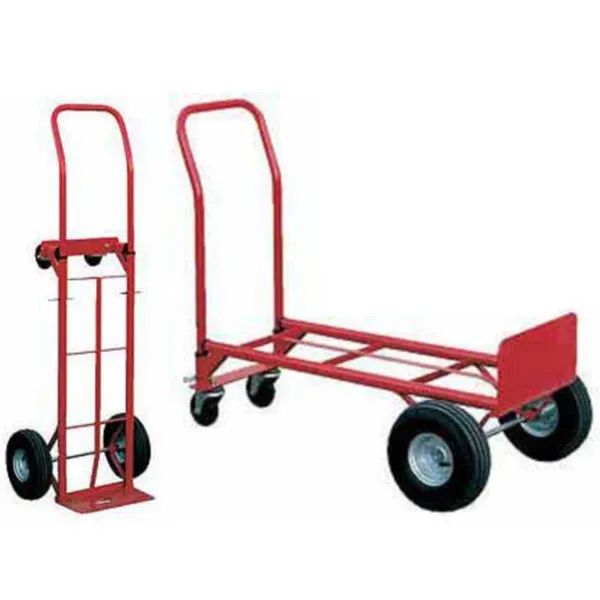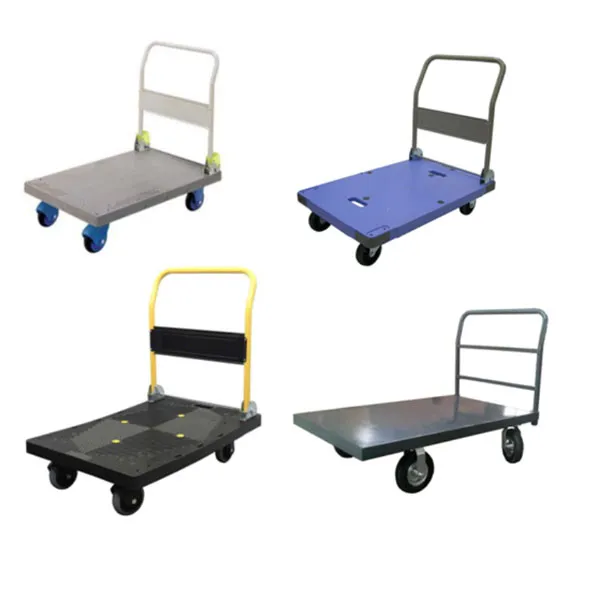
Garden carts are very practical tools for gardening and outdoor activities, primarily used for transporting soil, plants, tools, and other items, greatly improving work efficiency.
Product | Garden Trolley Cart |
Material and design | The cart platform is made of cold-rolled steel, the wheels are made of rubber or nylon and feature a swivel design, suitable for complex terrains such as grass or gravel. The handle can be adjustable in angle or designed to fold, making it convenient for storage and operation by users of different heights. |
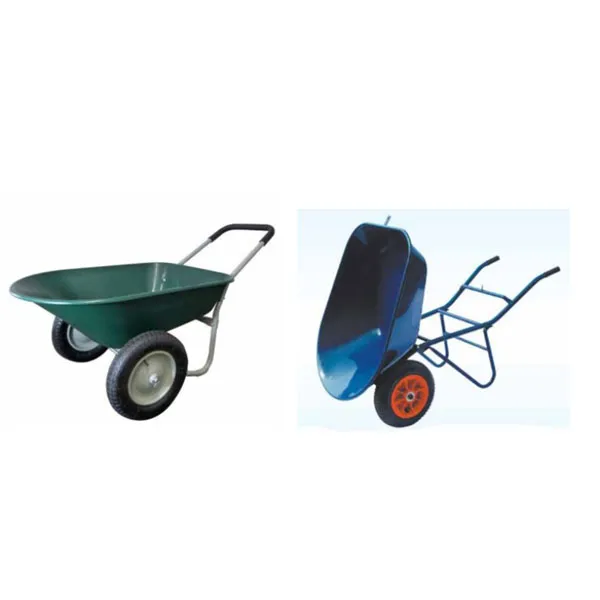
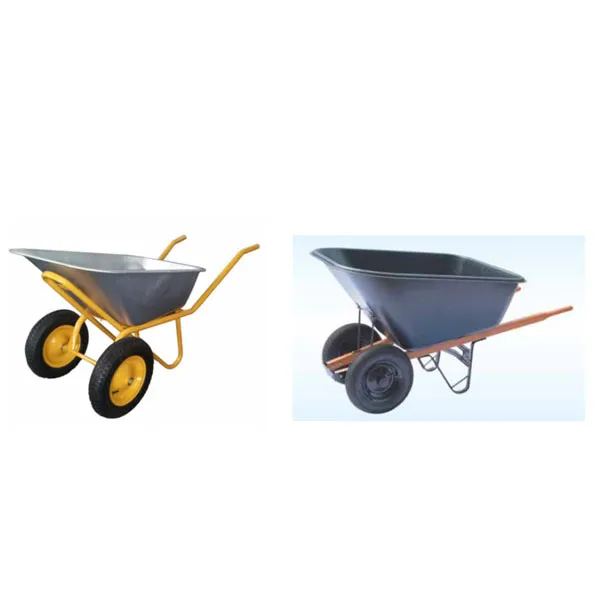
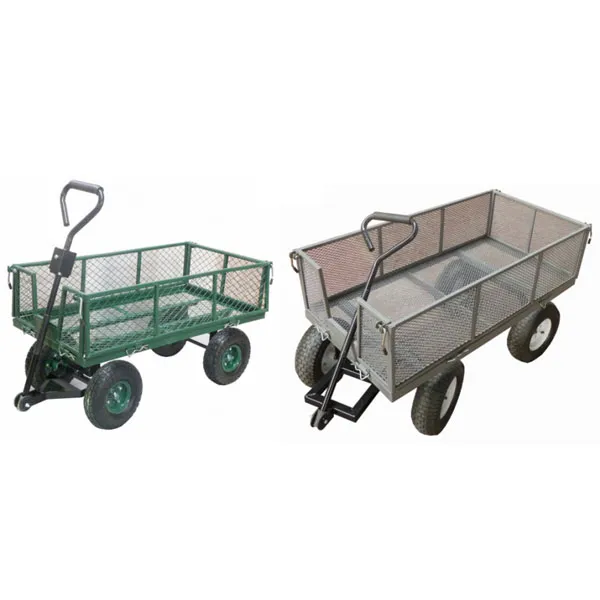
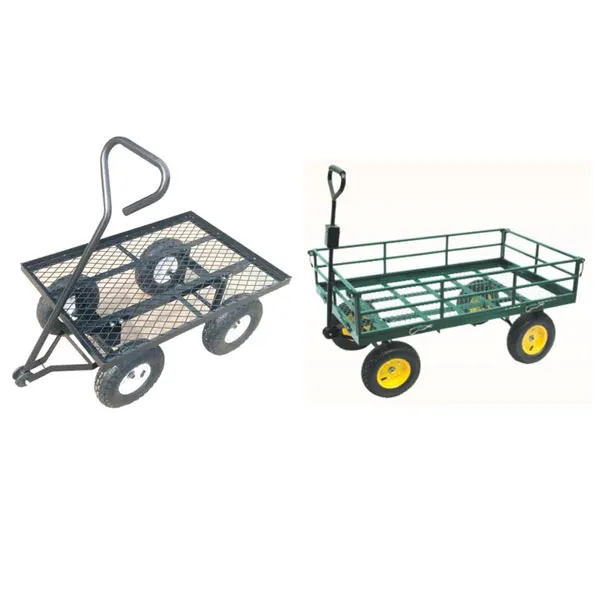
Types | Garden carts can be categorized based on the number of wheels and design purposes into the types of wheelbarrows, two-wheel carts, dump carts, four-wheel garden cart. |
Size | Various models and specifacation for option. The standard model can carry about 50-100kg, while electric versions can reach up to 200kg. |
Color | green, grey, etc. |
Charatistics and Performance | * Garden cart is lightweight, flexible, low-cost, and easy to maintain. * Some models come with braking devices (such as dual front wheel brakes) to prevent sliding on slopes. * The foldable design reduces storage volume, making it suitable for vehicle transport or storage. * Wheelbarrows is high in aesthetic appeal and flexible, suitable for narrow garden paths. * Two-wheel carts are stable and not easy to tip over. * Dump carts is very practical, with large wheels, it can easily handle small pits and ditches. * Four-wheel garden cart is a type of transport tool specifically designed for outdoor such as gardening and agriculture. |
Application | Garden carts are very practical tools for gardening and outdoor transporting in short distances, primarily used for transporting soil, plants, tools, and other items, greatly improving work efficiency. |
Garden carts can be categorized based on the number of wheels and design purposes into the following types:
1. Wheelbarrows: High in aesthetic appeal and flexible, suitable for narrow garden paths. However, they are relatively less stable, and carrying heavy loads requires good balancing skills.
2. Two-wheel carts: Stable and not easy to tip over. Their wheel design is usually more reasonable, with smaller torque, making transportation relatively effortless.
3. Dump carts: Very practical. With large wheels, it can easily handle small pits and ditches, and since the cargo bed is close to the wheel axle center, the torque is small, making transportation particularly effortless.
4. Four-wheel garden cart is a type of transport tool specifically designed for outdoor such as gardening and agriculture. It usually features a steel frame and pneumatic tires, with a cargo platform and adjustable side panels, making it suitable for transporting tools, fertilizers, and other items. It can also be extended to outdoor work in agriculture, construction, and other fields.
Proper maintenance of a garden cart requires attention to cleaning, lubrication, and regular inspections to extend its lifespan. Here are the specific methods:
1. Daily Cleaning
After use, clean the wheels, axle, and other parts of dirt and debris to prevent corrosion.
Wipe the body with a soft cloth or brush to prevent dirt buildup.
2. Lubrication and Maintenance
Lubricate movable parts such as wheel axles and handles every 4-6 months, using grease to fill the designated positions.
3. Inspections and Maintenance
Regularly check the tire pressure and inflate if necessary.
Immediately remove any debris from the wheel hub or central axle to avoid damage.
Avoid overloading and handle goods gently to reduce impact.
4. Storage Environment
When not in use for a long time, store in a dry place to prevent rust caused by moisture.
If it is an electric cart, regularly charge it and check the electrolyte level of the battery.
China Jy Resource Co., Ltd.
Phone
Address
The 1st floor of building no.1032, 999 Wangqiao Road, Pudong, Shanghai, China