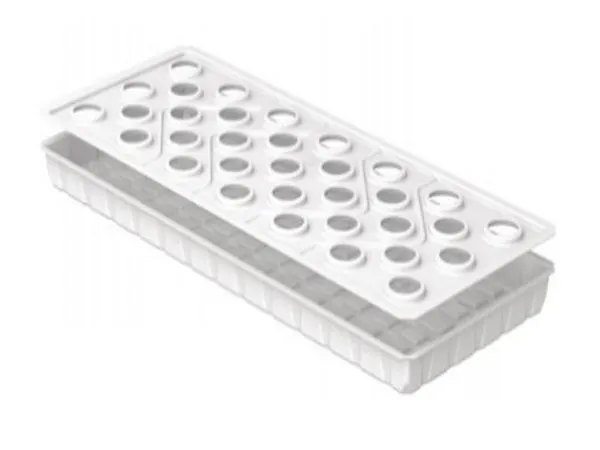
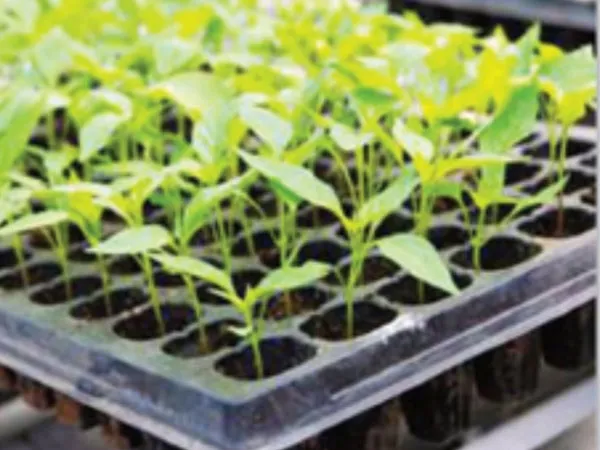
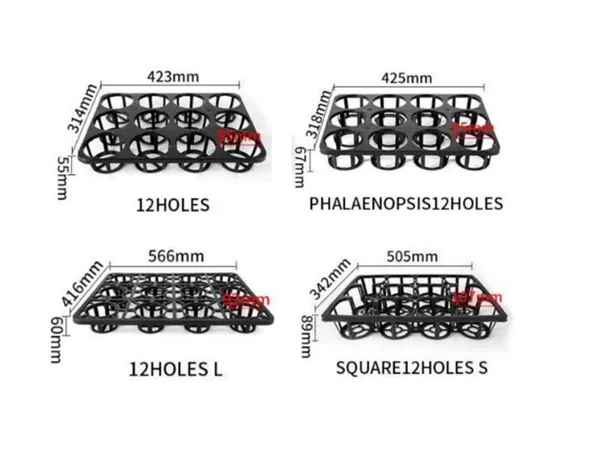
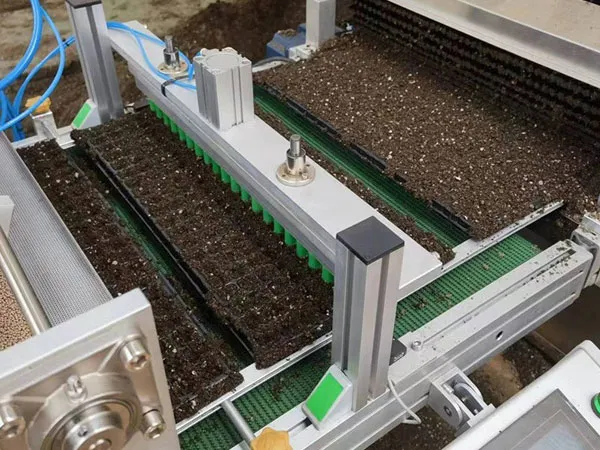
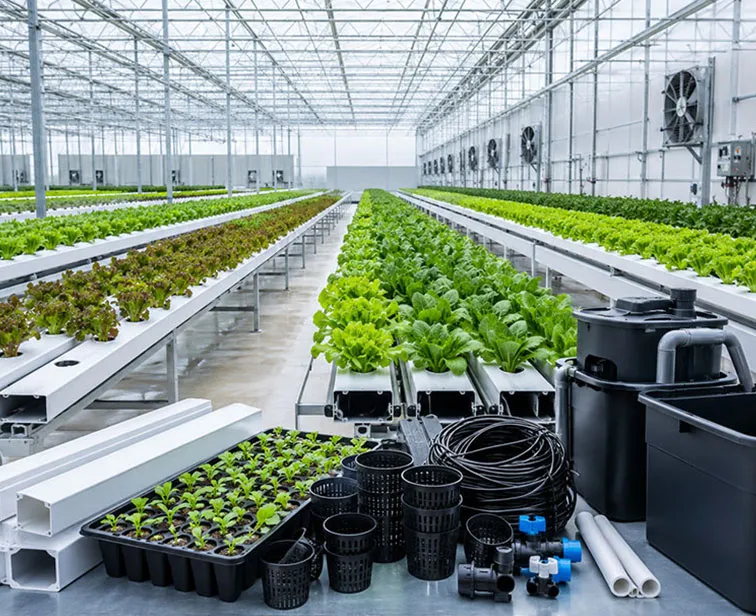
Plastic seedling trays are low cost and easy to clean. There are various specifications of seedling trays to choose from. The basic steps and techniques for seedling tray cultivation are as follows:
1. Choose the appropriate seedling tray: Common hole numbers include 72 holes, 50 holes, 32 holes, etc. When selecting, the quantity and cost of seedling cultivation should be considered. There are also specific differences in seedling cultivation for different crops, for example, tomatoes commonly use 72 hole seedling trays, while chili peppers commonly use 98 hole or 105 hole seedling trays.
2. Disinfect seedling tray: New seedling trays may not need to be disinfected, but reusable seedling trays must be disinfected to prevent diseases.
3. Preparation of substrate: The preparation of seedling substrate is crucial, ensuring good breathability, sufficient nutrients, and a suitable pH value (6-7).
4. Sowing: Evenly sow the seeds into the holes of the seedling tray, one seed per hole, cover with a thin layer of soil and gently compact. Thoroughly water after sowing to ensure the substrate is moist.
5. Maintenance: Place the seedling tray in a warm and humid environment, avoiding watering during high temperature periods to prevent root damage. Check the substrate humidity daily and maintain a suitable level of humidity. Reduce watering appropriately after germination to promote root development.
Through the above steps and techniques, seedling tray cultivation can be effectively carried out to improve the germination rate of seeds and the healthy growth of seedlings.
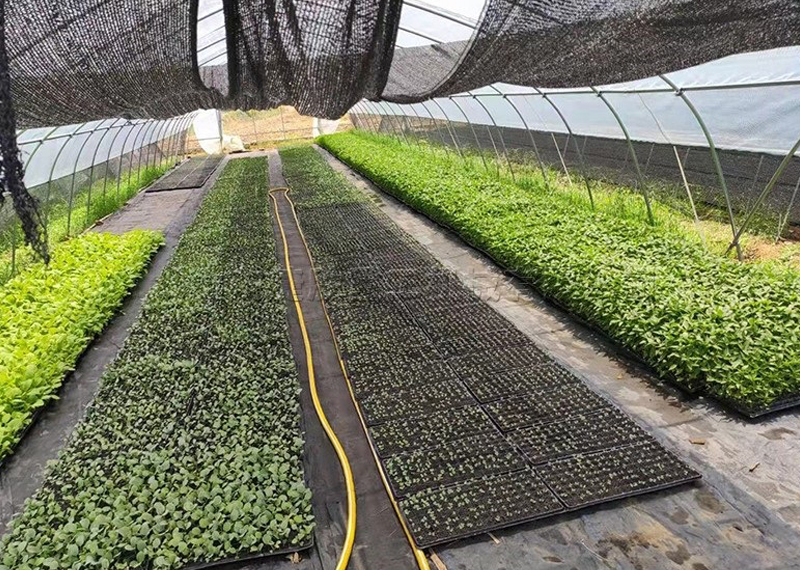
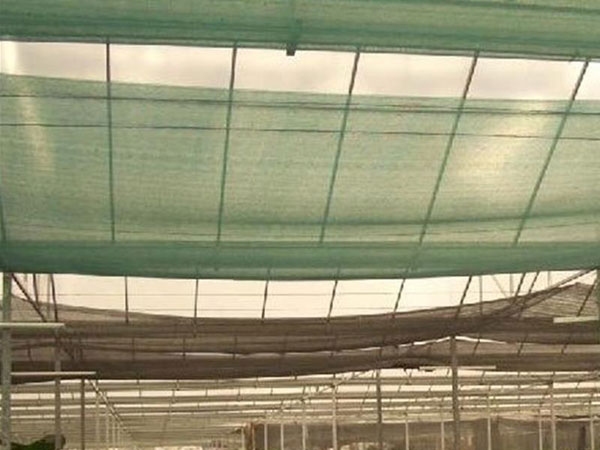
In the seedling cultivation greenhouse, it is important to install the sunshade net for the seedling nursery, Proper installation and use of greenhouse shade nets are crucial for maximizing their effectiveness. Here are some key steps and points:
Installation steps:
1. Planning and Layout
Before installation, it is necessary to plan the coverage area and installation position of the shading net based on the size and shape of the greenhouse, as well as the planting layout of the crops.
Determine the deployment direction and fixing points of the sunshade net to ensure uniform and secure coverage.
2. Prepare installation tools
Prepare the necessary tools such as pliers, screwdrivers, ropes, hooks, etc.
3. Fixed edge
Secure the edges of the sunshade net to the frame of the greenhouse using ropes, clips, or specialized fasteners. Ensure that the edges are tightly secured to prevent them from being blown up by the wind.
You can set a fixed point at regular intervals to enhance stability.
4. Intermediate support
For larger areas of shading nets, support structures such as horizontal bars or ropes need to be installed in the middle to prevent the nets from sagging.
5. Adjust the tightness
After installation, check the sunshade net

 English