What is Hydroponics
Hydroponics is a method of growing plants in water rather than soil. It is part of the broader category of "soilless" cultivation methods, which also includes aquaponics and aeroponics.
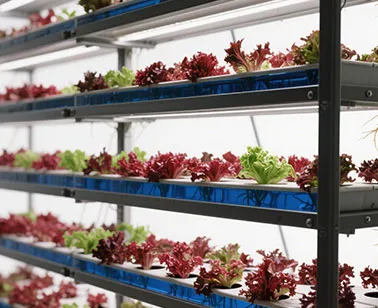
Most of the time, cultivation is done with the plant roots immersed in water, but sometimes it can be done in other substrates, such as gels or inert media like perlite and gravel. Since there is no soil, the mineral nutrients for the plants are provided by dissolving them in water. Often, hydroponic cultivation is equivalent to indoor cultivation with artificial lighting providing the light.
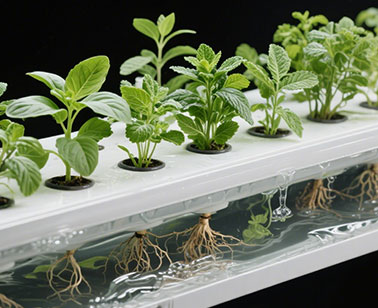
The Science of Hydroponics
Although most plants can grow using hydroponic system supplies, some plants require a substrate to secure their roots. This is why inert substrates such as coconut fiber, vermiculite (a type of silicate rock), and perlite (an amorphous volcanic glass) are used. Nutrients such as phosphates, potassium, and nitrogen ("NPK") as well as trace micronutrients are dissolved in water, making the use of fertilizers nearly 100% efficient.
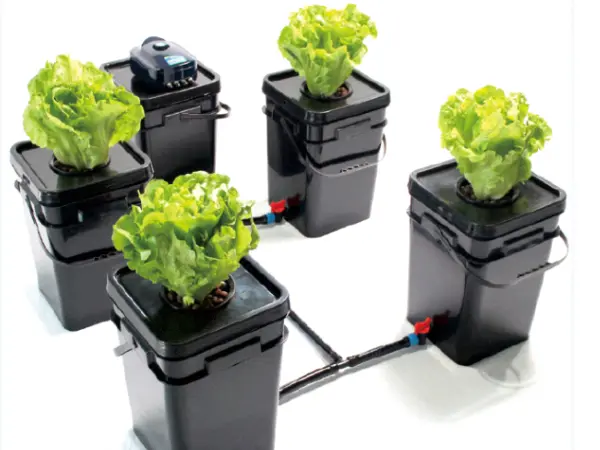
Hydroponics can be divided into two different types of designs: open systems and closed systems.
Open System: Nutrient-rich water flows from a reservoir to the growing chamber.
Closed System: The roots are directly immersed in nutrient solution, eliminating the need for a pump.
In contrast to active systems, passive systems are hydroponic systems that do not require pumps, aeration, artificial lights, or timers.
What Can Be Grown with Hydroponics
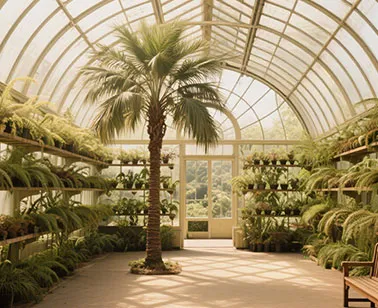
Hydroponics is used to grow many different high-value, sensitive crops. The most common ones are tomatoes, herbs, lettuce, and cucumbers. Another, lesser-known but important application of hydroponics is the cultivation of small to medium-scale cannabis. Although this practice is still illegal in most countries, more and more are allowing the cultivation of this crop under proper licenses in commercial settings—Canada being one of the best examples. Many commercial cannabis farms operating in US states where cannabis cultivation is legal tend to grow in greenhouses. Here, hydroponic methods can produce more consistent results compared to soil.
Advantages of Hydroponics
The main advantage of the hydroponics system is the level of control provided by the technique. This is especially true when combined with indoor cultivation, compared to growing in soil or even in a greenhouse. This translates to multiple advantages for commercial cultivation. It can produce more consistent results, for example, in the exact chemical composition of cannabis plants, which will later be used to produce pharmaceuticals. This allows research and development work to find the perfect conditions to produce the highest quality products. It also allows for better control over growth times for very consistent and stable production. This is valuable for products with relatively stable demand but seasonal field yields, such as tomatoes or berries. With each function combined, the level of control achieved can be used to optimize the growth speed, taste, smell, or other aspects of the final plant product, which can command premium prices.
Lastly, it can also be used to monitor crops and detect any problems early on.
Due to optimal conditions, more crops can be grown per square meter compared to other conditions. As discussed in our article, this makes it a good choice for urban agriculture, "Expanding Urban Agriculture Brings Many Benefits." This allows food to be grown locally rather than imported from hundreds or thousands of miles away, even if local land and space are more expensive.
For future lunar or Martian bases, this would be an extremely valuable method of farming in harsh environments where expensive transportation costs would make locally grown food supplies extremely valuable.
Nutrient Needs and Waste
As mentioned above, because nutrients are in the water and the water is retained in the growing chamber and/or reservoir, no nutrients are lost from the system unless they are effectively absorbed by the plants during their growth. This makes the use of fertilizers for crop growth as close to optimal as possible. In more traditional farming methods, the overuse of fertilizers in open fields can lead to multiple problems. These include soil ecosystem disruption to toxic algal blooms and freshwater eutrophication.
Therefore, reducing the amount of fertilizer seeping into the environment is an important and often overlooked ecological issue. Water Usage: Contrary to surface methods, hydroponics uses significantly less water than traditional cultivation methods. This is true whether it is in open fields or greenhouses. This is because evaporation is kept to a minimum due to the least amount of surface contact with the air, and it does not leak into the soil. Essentially, the water stays within the enclosed system. Thus, hydroponics can use as little as 1/10th of the water required for traditional field crop irrigation methods. This makes it an excellent choice for water-scarce areas and/or particularly water-intensive crops like leafy vegetables.
Labor Intensity
Since these plants are grown in controlled and custom-designed environments, they can also be optimized for labor costs. Automation can replace most of the more dangerous traditional farm work, and plants already growing in soilless pots can save time on harvesting, cleaning, and packaging.

 English